Quick Answer
For most local and home-service businesses,
hybrid marketing is the stronger long-term strategy: digital channels help customers find and evaluate you, while direct mail adds a tangible touchpoint that can reinforce trust and prompt action. Digital-only can be the right starting point when budgets are tight or you’re testing an offer, but businesses serving a defined local area should consider a measured, trackable hybrid test.
GoodPath Marketing reports a
124% average ROI increase,
2–5x higher response rates compared with digital-only campaigns, and
67% better brand recall from its hybrid approach. These are GoodPath’s reported performance benchmarks, not guaranteed outcomes. Results depend on the audience, offer, execution, and how performance is measured.
Digital and Direct Mail Do Different Jobs
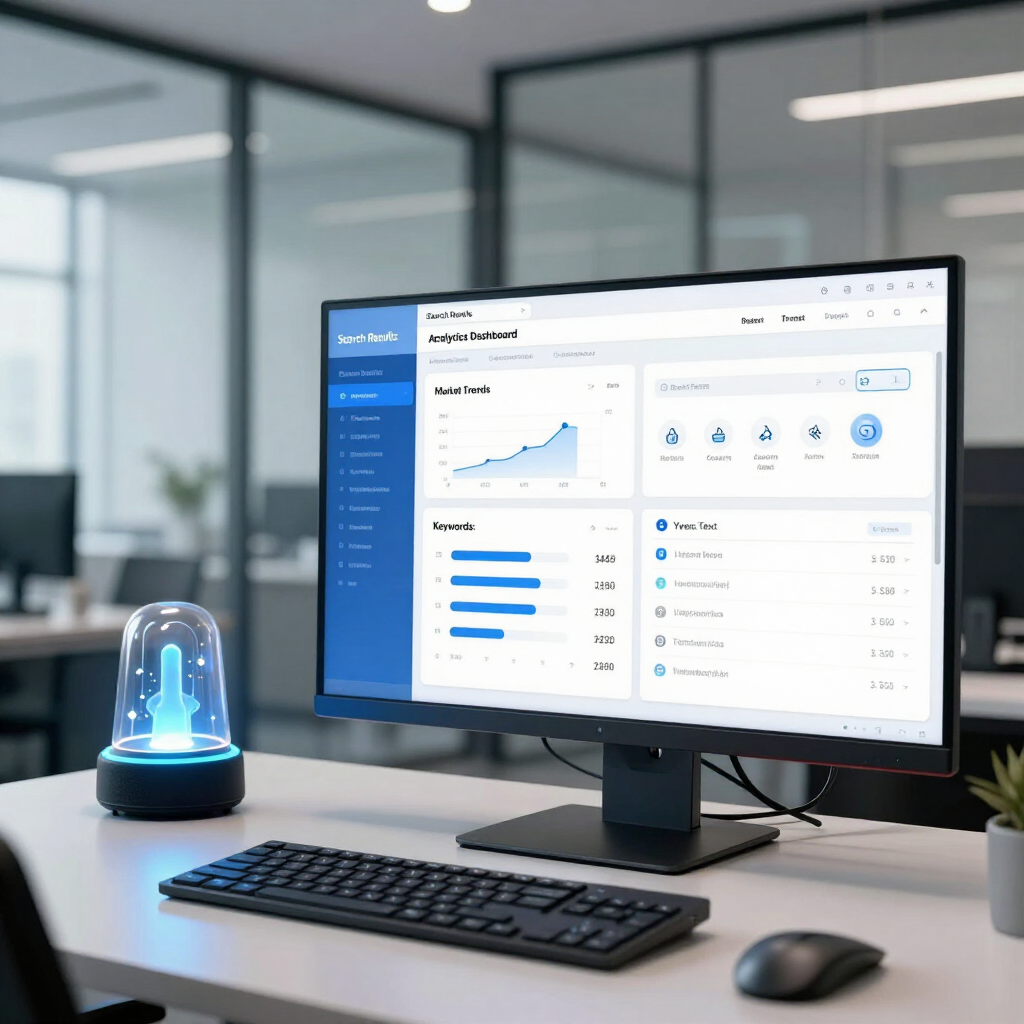
Digital marketing excels at reach, targeting, speed, and measurement. Local SEO helps people discover your business when they search, paid ads capture active demand, and landing pages turn interest into inquiries.
Direct mail brings your message into a customer’s physical space. A well-designed postcard can stay on a counter after a digital ad disappears from the screen. In a coordinated campaign, digital builds recognition and captures intent; mail reinforces the message and gives prospects another reason to respond.
That combination matters for local services. A homeowner may see an ad for a roofer, search the company later, and feel more confident when a consistent mailer is already familiar.
The channels work together when they share an audience, message, and measurable next step.
What the Evidence Says About Multi-Channel Marketing
Research supports the idea that physical and digital touchpoints can complement one another. A
Canada Post
neuromarketing study reported that integrated mail-and-digital campaigns generated
39% more attention and 10% higher brand recall than digital-only campaigns in the study’s test conditions.
A
peer-reviewed field study
also found that direct mail could increase online search and click behavior, while working synergistically with display advertising. That doesn’t mean every campaign will see the same lift. It does show why measuring each channel in isolation can miss the effect of repeated, coordinated exposure.
For context,
JICMAIL’s 2026 response-rate tracker reports UK direct-mail benchmarks, with stronger response for warm customer audiences than cold prospects. Audience, market, and response definitions differ, so treat those results as directional, not a direct prediction for a U.S. small business.
Digital-Only vs. Hybrid: Which Fits Your Business?
Digital-Only: Efficient, Measurable, and Useful for Testing
Digital-only can be a smart choice if you need to test a new offer, have a small initial budget, or can reach your target audience effectively through search, social, or email. It also makes rapid adjustments straightforward: change the audience, creative, or landing page and monitor what happens.
But impressions and clicks are not the same as customers. Rising competition, limited organic visibility, and low-intent traffic can make a campaign look active without producing enough profitable work. Track qualified inquiries and sales, not just clicks.
Hybrid: Multiple Touchpoints, One Clear Customer Journey
Hybrid marketing adds physical mail to digital channels such as local SEO, paid search, email, and retargeting. The advantage is not simply “more marketing.” It’s a connected experience: a consistent offer appears in the right places, with each touchpoint leading toward a clear action.
For example, a home-service company might target a defined neighborhood with a seasonal postcard, support the campaign with local search visibility, and direct responders to a conversion-optimized landing page. QR codes, unique URLs, dedicated phone numbers, and offer codes help show which interactions generated responses.
Explore
GoodPath’s local SEO and marketing services or learn more about
direct mail for small businesses.
How to Run a Hybrid Marketing Test
A small, controlled pilot gives you evidence before you scale. Keep the plan focused:
- Choose one audience and one offer. Start with a specific service area, customer segment, or neighborhood.
- Coordinate the message. Keep the offer, brand visuals, and call to action consistent across mail, ads, and landing pages.
- Give each channel a job. Use local search to capture active demand; use mail to introduce or reinforce the offer; use follow-up digital marketing to help interested prospects take the next step.
- Add tracking before launch. Use a unique QR code, landing page URL, phone number, or promo code for the campaign.
- Compare against a baseline. If practical, hold out a similar area or audience from the mail component while maintaining the digital campaign. Compare the groups to estimate incremental lift.
- Measure business outcomes. Review qualified leads, bookings, close rate, revenue, gross profit, and cost per acquired customer, not response rate alone.
A hybrid campaign should earn its place in your budget. If the test doesn’t improve profitable outcomes, adjust the targeting, timing, offer, or follow-up before expanding.
The Bottom Line: Choose the Strategy You Can Measure
Digital-only marketing can be an effective starting point. Hybrid marketing is often a stronger growth strategy for local businesses when physical mail and digital campaigns are coordinated, relevant, and tracked together.
GoodPath’s reported benchmarks:
124% average ROI increase, 2–5x higher response rates versus digital-only, and 67% better brand recall, reflect the potential of its hybrid approach, not a promise that every business will achieve the same results. The right next step is a campaign designed around your market, goals, and numbers.
GoodPath Marketing brings together
local SEO, paid marketing, websites, and print to build connected campaigns for small and mid-sized businesses.
Contact GoodPath to discuss a growth partnership and a practical first test.
Frequently Asked Questions
Is hybrid marketing better than digital-only for a small business?
It can be, especially for businesses serving a defined local area or selling services that require trust and consideration. Digital-only remains useful for fast testing and online reach; a hybrid approach adds mail as another opportunity to build recognition and drive a measurable response.
What does hybrid marketing mean?
Hybrid marketing coordinates digital channels (such as local SEO, paid ads, email, and landing pages) with physical channels like direct mail. The goal is a connected customer journey, not separate campaigns with unrelated messages.
Does direct mail still work when customers are online?
Yes. Direct mail can make a brand physically visible, while digital channels help recipients search, learn more, and respond. Research from
Canada Post found higher attention and brand recall for integrated mail-and-digital campaigns than digital-only campaigns under its test conditions.
How do I measure a hybrid campaign?
Use trackable campaign elements (such as unique QR codes, URLs, phone numbers, and offer codes) and compare qualified leads, bookings, sales, and cost per acquired customer. A holdout group or matched comparison area can help estimate whether adding mail created incremental lift.
How much should a small business spend on hybrid marketing?
There’s no universal budget. Start with a test sized to your service area, audience, and ability to follow up on leads. Include design, printing, postage, digital spend, and tracking costs; expand only when the results support it.