Print Marketing Can Be Better Than Digital for Small Business Owners: Practical Strategies That Drive Local Results
A guide from GoodPath Marketing
You can get more attention, build stronger local trust, and drive real walk-in traffic by using print where digital noise drowns you out. Print often outperforms digital for small businesses when your goal is memorable, targeted local reach and higher conversion per contact.
At GoodPath Marketing, we help small business owners control how their message looks and feels, reach people who ignore endless online ads, and create lasting physical touchpoints that support higher response rates. This article will explain the specific benefits of print, where digital strategies fall short for small budgets, practical print campaign tactics, cost and ROI trade-offs, best SEO practices to strengthen your digital foundation, and how to combine print with online channels to boost results.
Understanding Print Marketing Benefits
Print gives you a physical presence people hold, see repeatedly, and associate with your brand. It helps you reach nearby customers, build credibility through professional materials, and create memorable touchpoints that digital alone can miss.
Tangibility and Brand Recall
When you hand a customer a postcard, brochure, or business card, they hold your message in their hand. Physical materials create a sensory memory—paper weight, texture, and color combine with your logo to improve recall days or weeks later.
Design choices matter. Use heavier stock, distinctive finishes (matte, spot UV), and a clear visual hierarchy so recipients remember your offer and call to action. Include a single, measurable CTA such as a QR code or promo code to link the physical piece to trackable responses. GoodPath Marketing can help design and produce these pieces so they carry a consistent, professional look.
Tangible items also stay in homes and offices. A refrigerator magnet or a well-designed flyer can generate repeated impressions without additional spend. That repeated exposure raises the chance a prospect will act when they need your product or service.
Local Audience Targeting
Print excels at reaching people in a defined geographic area. You can distribute door-to-door, place inserts in neighborhood papers, or hand out flyers at community events to target streets, zip codes, or specific venues.
Use demographic data from local chambers, postal services, or point-of-sale records to refine distribution. For example, send lawn-care postcards to neighborhoods with owner-occupied homes or restaurant coupons to office parks with high midday foot traffic. GoodPath Marketing can help you source and segment this data for sharper targeting.
Timing and placement increase effectiveness. Coordinate mail drops with local events, seasonal needs, or neighborhood schedules. Combine with a local call to action—an address, local phone number, or event RSVP—to reinforce proximity and convenience.
Credibility and Trust Building
Professionally produced print materials signal stability and investment in quality. Customers often perceive print as more deliberate than a quick digital ad, which can increase trust for first-time buyers or older demographics.
Consistency across print and in-person touchpoints strengthens that trust. Use the same logo, color palette, and messaging on menus, receipts, brochures, and storefront signage so people recognize your brand across contexts. This is one of the core brand-consistency principles GoodPath Marketing applies across every client engagement.
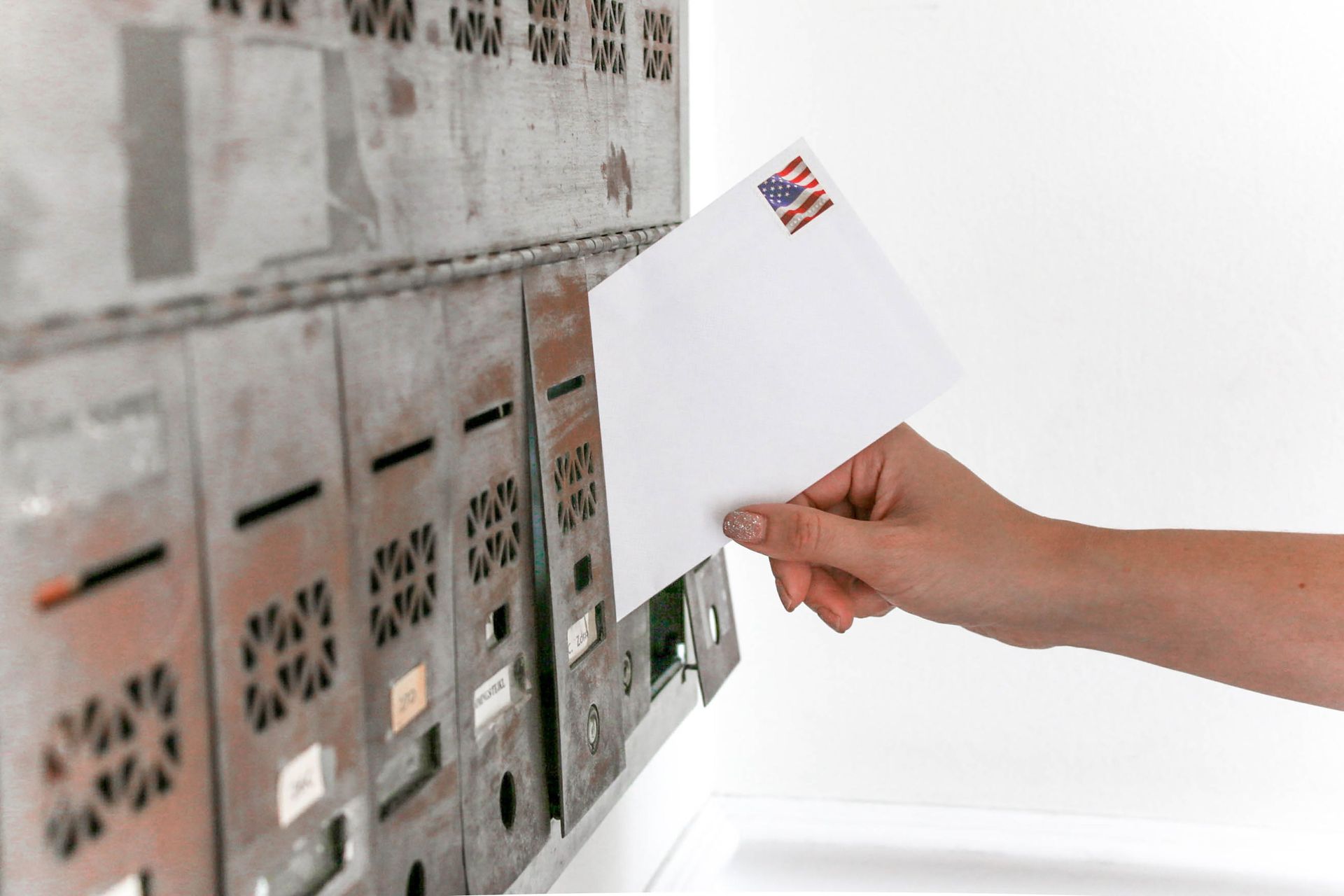
Print also reduces the noise factor. In a mailbox, your piece competes with fewer brands than in a crowded social feed. That lower competition, combined with physical permanence, often leads customers to view your business as more established and reliable.
Limitations of Digital Strategies for Small Businesses
Digital channels often promise scale and targeting, but you face practical limits: crowded feeds, rising costs, and fractured attention across platforms. These factors can reduce reach, raise acquisition costs, and make consistent branding harder.
Market Saturation and Ad Blindness
You compete in feeds where dozens of advertisers target the same keywords and audiences. High ad density pushes your content lower in quality scores and makes paid placements more expensive. Users scroll quickly; repeated exposure to similar ads causes ad fatigue and lowers click-through rates.
Organic reach also suffers. Algorithm changes on platforms like Facebook or Instagram can suddenly cut impressions for small accounts. When you rely on paid boosts, short-term spikes replace long-term audience ownership, leaving you vulnerable to platform policy shifts.
Practical steps: rotate creatives every 1–2 weeks, target narrower micro-segments, and combine paid ads with non-digital touchpoints to break through saturation.
Budget Constraints
You often have limited monthly ad spend compared with larger competitors. Small budgets struggle to reach frequency and scale thresholds that make campaigns statistically reliable. Low spend leads platforms to show your ads less, or to an audience that's not optimal.
Cost-per-click and cost-per-acquisition vary by industry. For competitive keywords, even basic search ads can consume a large portion of a small marketing budget without guaranteeing conversions. Testing multiple channels becomes costly, and prolonged A/B testing may be unaffordable.
Manage this by prioritizing high-intent channels, setting strict CPA caps, and reallocating savings into targeted local tactics—where print can boost visibility without bidding wars.
Audience Fragmentation
Your target customers use many platforms: social apps, messaging, search, niche forums, and email. That fragmentation forces you to split limited resources across channels if you want full coverage. Each platform requires bespoke creatives, formats, and posting cadences.
Fragmentation reduces campaign efficiency. A customer might see your ad on Instagram but not convert because they needed a physical reminder or local trust signal. Tracking across platforms can be inconsistent, and attribution models often overvalue the last click, obscuring which channels actually drove offline sales.
Tactics to reduce fragmentation: focus on 2–3 highest-performing channels, use consistent branding and messaging, and layer digital efforts with physical touchpoints—like postcards or flyers—to consolidate recognition and improve recall.
Effective Print Campaign Techniques
Focus on ways you can make print tangible, targeted, and visually compelling so prospects respond and remember your brand.
Direct Mail Personalization
Use your customer data to tailor offers and messaging. Segment lists by purchase history, location, or engagement and print variable-data elements like first names, recent purchases, or a local store address to increase relevance.
Include a clear, measurable call to action. Use unique promo codes, QR codes that link to tracked landing pages, or phone extensions to attribute responses and compare ROI against other channels.
Choose formats that match your objective. Postcards work for reminders and simple offers; folded mailers let you tell a short story or show multiple products; dimensional mail (small boxes or textured envelopes) boosts open rates. Test size, paper weight, and lead-time to balance cost and impact.
Event and In-Store Materials
Design event pieces to convert attention into action. Bring printed flyers, shelf-talkers, and tear-off coupons that prompt immediate purchases or sign-ups. Print handouts with bold headlines and one clear next step.
Use signage to guide behavior inside your space. A-frame signs, window clings, and counter cards should display prices, specials, or scanning codes in large type so customers can act without searching for staff.
Integrate print with digital at events. Add short URLs, QR codes, or NFC tags that drop attendees onto mobile-first pages for registrations, product demos, or email capture. Track which printed items drive the most scans to refine future runs.
Creative Design Principles
Prioritize hierarchy and legibility. Place your primary message and CTA above the fold or in the most-visible panel; use at least 16–18pt for body copy in handouts and larger for headlines so people read quickly from a distance.
Select tactile and visual cues that fit your brand. Paper finish, weight, and spot UV or embossing communicate quality; color choices should support contrast and accessibility, not just aesthetics. Keep margins and white space to avoid clutter. Optimize for print production and cost. Convert images to CMYK, set proper bleed and trim, and choose pantone or coated/uncoated options early. Work with your printer on minimum runs and proofs to prevent costly reprints while maintaining design fidelity. GoodPath Marketing's design team can manage this production process end to end.
Cost Analysis and ROI Considerations
You'll weigh upfront production and distribution costs against long-term value per customer. Focus on cost-per-lead, conversion rate, and lifetime value to decide which channel fits your specific offer and local audience.
Comparing Print Versus Digital Expenses
Print typically requires higher upfront spend: design, paper, printing, and postage or distribution. Expect fixed costs for runs and setup; unit cost drops with larger volumes, so calculate break-even volume before committing.
Digital lets you start small with pay-per-click or social ads and scale daily budgets. However, ongoing costs can accumulate through continuous testing, creative refreshes, and platform fees. Track both direct ad spend and staff time for campaign management.
For local service businesses, factor targeted delivery savings: targeted direct mail lists, door drops, or rack cards can reach nearby households with less waste than broad digital targeting. Build a simple cost worksheet listing: production, distribution, targeting, and labor to compare true per-lead and per-conversion expenses.
Measuring Campaign Effectiveness
Use consistent KPIs across channels: cost per lead (CPL), conversion rate, and customer lifetime value (CLTV). For print, pair unique offer codes, dedicated landing pages, or phone numbers to attribute responses accurately.
Digital metrics deliver real-time granularity—click-through rate, cost per acquisition, and on-site behavior—so leverage those to optimize rapidly. For print, track response windows and measure attribution over longer periods; print often drives deferred conversions that show up in CRM later.
Combine channels in A/B tests: send a printed offer with a unique URL to half your list and an email with the same offer to the other half. Compare CPL and lead quality, then calculate ROI using: (revenue from attributable customers − campaign cost) ÷ campaign cost.
Best SEO Practices to Support Your Print Strategy
Print drives local trust and recall, but a strong SEO foundation makes sure that when a customer acts on a mailer or flyer, they find you easily online. GoodPath Marketing recommends pairing every print campaign with these core SEO practices.
Local SEO Fundamentals
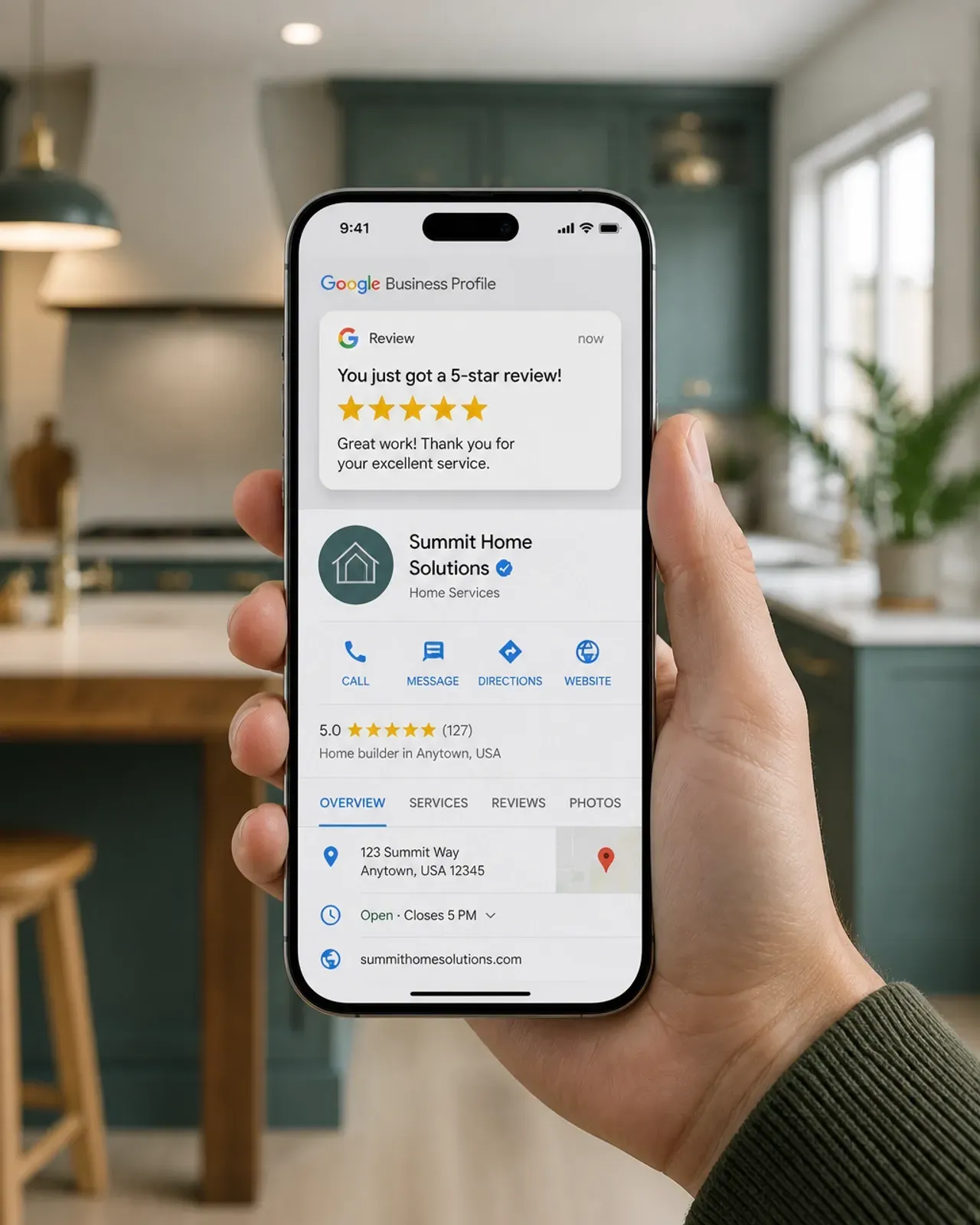
Claim and fully complete your Google Business Profile, including accurate name, address, phone number (NAP), hours, categories, and photos. Keep this information identical across your website, print materials, and directory listings—inconsistent NAP data confuses search engines and can hurt local rankings.
Build citations on relevant local directories and industry-specific listing sites. Encourage and respond to customer reviews, since review volume and recency are strong local ranking signals and also reinforce the credibility your print materials are building offline.
On-Page Optimization
Use clear, descriptive title tags and meta descriptions for every page, incorporating the city or neighborhood terms your print campaigns target. Structure content with a single H1 and logical H2/H3 headings so both users and search engines can scan your page hierarchy.
Write unique, useful page content rather than duplicating text across location pages. If you serve multiple neighborhoods, create distinct pages with genuinely local detail rather than swapping out only the city name.
Landing Pages for Print Campaigns
Build dedicated landing pages for each print offer (the same pages you use for QR codes and trackable URLs). Keep these pages fast-loading, mobile-friendly, and focused on a single conversion action, since a large share of print-driven visits will come from phones scanning a code in-store or at a mailbox.
Use campaign-specific URL slugs and consistent messaging between the printed piece and the landing page, so visitors immediately recognize the connection and don't bounce.
Technical SEO Basics
Ensure your site loads quickly, uses HTTPS, and is fully responsive on mobile devices. Fix broken links and duplicate content issues, and submit an updated sitemap to Google Search Console whenever you add new location or campaign pages.
Use schema markup (LocalBusiness, Review, and Event schema where relevant) to help search engines understand and display your business details, ratings, and local offers directly in search results.
Content and Link Building
Publish locally relevant content—neighborhood guides, event recaps, or seasonal tips—that naturally attracts local backlinks and matches the community angle of your print campaigns. Partner with local organizations, chambers of commerce, or complementary businesses for backlink and cross-promotion opportunities.
Track organic rankings and traffic alongside your print response metrics. A rise in branded search volume after a mail drop is a strong signal that print is reinforcing digital discovery, and it's a data point GoodPath Marketing tracks for clients to prove cross-channel lift.
Integrating Print With Other Channels
Use print to drive measurable digital action and to extend reach where people spend time offline. Combine tactile pieces with online incentives, clear calls to action, and tracking mechanisms that link responses back to specific print runs.
Cross-Promotion Strategies
Use print to push recipients to precise digital assets: QR codes that open a landing page, unique promo codes for your e-commerce checkout, or calendar invites for events. Place a single, trackable URL or QR code prominently—on postcards, receipts, or shelf-talkers—so you can measure which creative or distribution list performs best.
Coordinate timing and messaging across channels. Send a mailed coupon the week before an email blast hits, or follow a local flyer drop with targeted social ads in the same ZIP codes. Align visuals and copy so customers recognize your brand whether they see a mailer, an ad, or a search result.
Leverage in-store print (signage, shelf labels) to prompt mobile actions like "scan to claim" or "text JOIN." Offer channel-specific incentives—extra discount via the print code—to encourage cross-channel behavior and cleanly attribute conversions.
Tracking Engagement and Conversion
Assign unique identifiers to each print piece to attribute responses: distinct coupon codes, landing-page slugs (yoursite.com/springA), or QR codes tied to UTM parameters. Record which code came from which list, batch, or creative to compare ROI across flights and audiences.
Use short, memorable phone numbers or SMS keywords on mailers to collect explicit opt-ins and capture phone-based conversions. Pair these with call-tracking numbers that log call length and outcome so you can value phone leads alongside web sales.
Combine offline-to-online lifts with analytics. Push print-driven clicks into a dedicated landing page that fires conversion pixels and sets cookies for remarketing. Then compare conversion rates by source in your analytics dashboard and adjust print circulation, messaging, or design based on real response data.
Ready to build a print and SEO strategy that works together? GoodPath Marketing can help you plan, design, and measure campaigns that drive real local results.
Recent Posts